Treat Coqui Frogs on Your Property

Coqui Community Program:
Coqui control takes consistent effort, habitat management, and coordination among neighbors. MISC’s Coqui Crew consists of five people, and our capacity for direct field treatment is limited. Community members play an important role in controlling coqui on their own properties and preventing frogs from spreading into new areas.
MISC supports community-led coqui control by providing citric acid, equipment loans, and guidance on treatment and habitat management. Residents can organize with their neighbors to coordinate treatment efforts and work together to manage coqui populations in their communities.
MISC does not currently organize or conduct neighborhood spray weeks. Community members interested in coordinated treatment are encouraged to form their own groups, organize their efforts, and take an active role in treating their properties. MISC can provide resources to help residents get started, but community members are responsible for coordinating their own treatment activities.
How to Get Started
1. Coordinate with your neighbors.
Talk with nearby property owners about where coqui are being heard and whether they are interested in working together. Treating neighboring properties consistently can help reduce populations across an area rather than leaving untreated pockets where frogs can persist.
Before treating another person’s property, obtain permission from the property owner and coordinate with them about treatment and safety precautions. Review the MISC Community Coqui Control Code of Conduct for additional guidance.
2. Reduce coqui habitat.
Dense vegetation, accumulated leaf litter, and discarded plant material can provide shelter for coqui. Thin overgrown vegetation, remove green waste, and maintain accessible areas around your home to make frogs easier to locate and treat. Removing dense vegetation and accumulated plant debris can make coqui habitat less suitable and improve access for treatment. However, green waste may contain frogs or eggs, so it is important to handle and dispose of it responsibly.
Do not dump potentially infested vegetation in gulches, vacant lots, or unauthorized locations. Follow MISC guidance and use approved disposal options. Maui County Recycling and Green-Waste Information
3. Request citric acid and equipment.
MISC provides citric acid and equipment loans at no cost to support community-led coqui control. Please submit a request and wait for confirmation before coming to pick up supplies. Request Citric Acid and Treatment Equipment
The equipment you need depends on the size of the infestation, the terrain, and how accessible the frogs are.
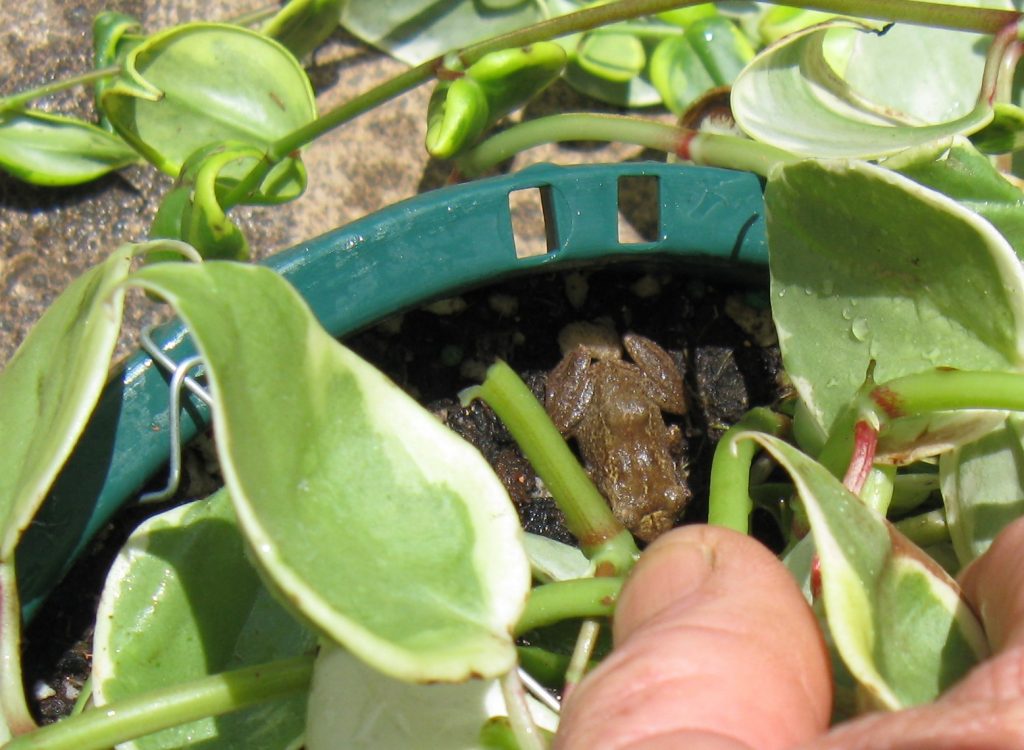
- One or two frogs: Hand capture or a spray bottle with citric acid solution may be suitable when frogs can be located and reached directly.
- Several frogs in a small or moderately sized area: A five-gallon, hand-pump backpack sprayer may be a practical option.
- Flat, accessible areas: An eight-gallon, battery-powered roller sprayer may be useful.
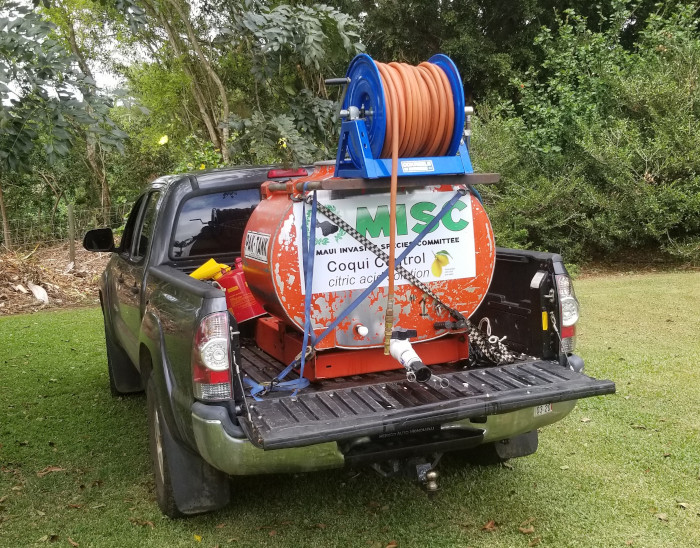
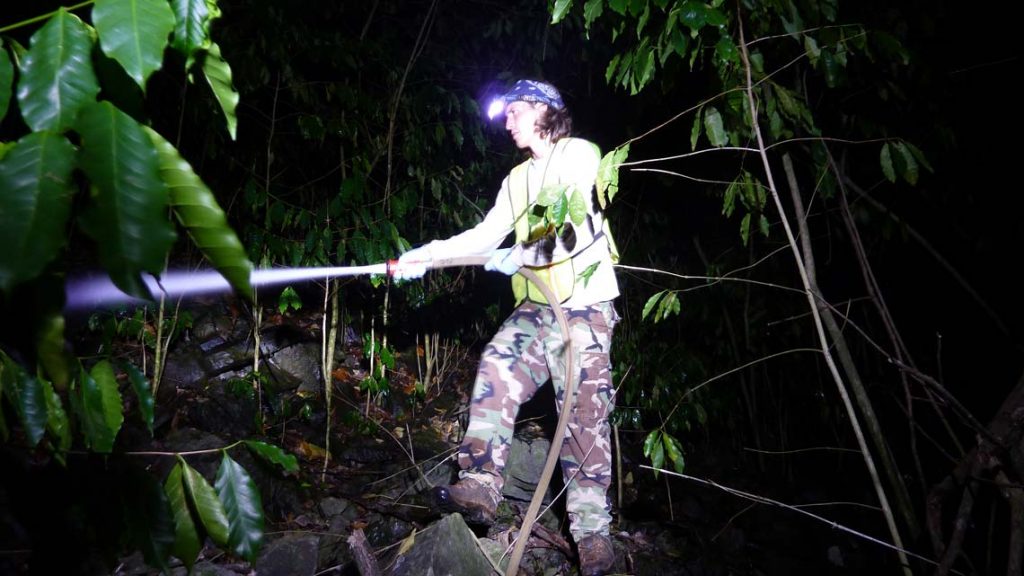
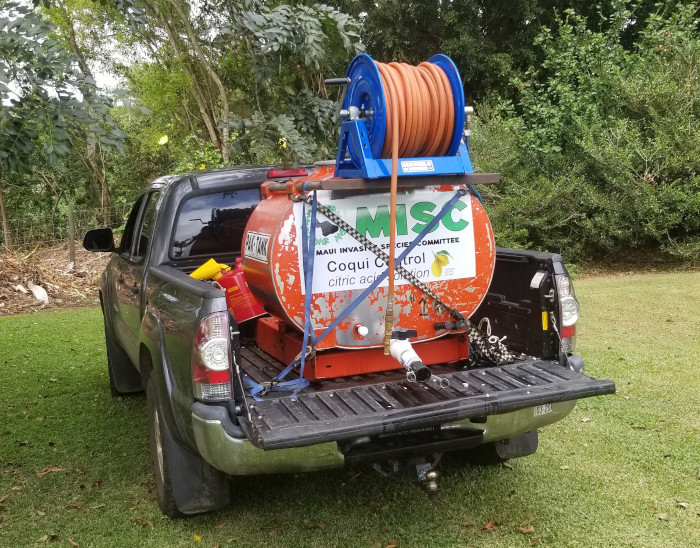
- Large infestations or difficult-to-reach areas: A truck-bed sprayer may be more appropriate, particularly when two or more people can work together.
These are general equipment recommendations. Consider your property layout, terrain, water availability, and the area you need to treat before purchasing equipment. MISC has equipment available to loan, subject to availability, so residents may want to explore this option before buying their own sprayer.
Always follow the current instructions provided with MISC’s citric acid and equipment. Wear appropriate personal protective equipment, including gloves and eye protection, and take precautions around pets and sensitive plants.
Clean sprayers and hoses thoroughly after use. Citric acid can corrode metal components if equipment is not properly rinsed and maintained.
4. Treat consistently and follow up.
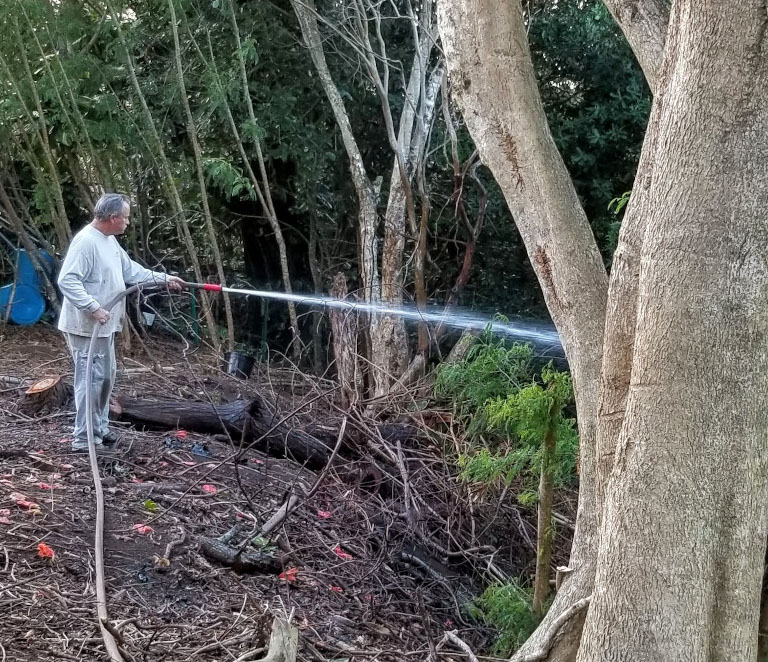
Citric acid must directly contact frogs to be effective. It can also kill coqui eggs when they receive adequate direct exposure. Thorough treatment and follow-up are important because frogs or eggs may remain in hidden areas. Follow the treatment instructions and safety guidance provided with MISC supplies.
For additional advice, see MISC’s Coqui Catching and Spraying Tips.
5. Report new or isolated populations.
Please continue reporting coqui, especially when they appear in areas where frogs have not previously been reported. Reports help MISC track populations, identify emerging infestations, and prioritize limited field resources. Report Coqui Frogs to MISC
Coqui control is an ongoing process. Consistent treatment, habitat management, monitoring, and coordination among neighbors can help reduce populations and limit spread.
MISC cannot provide direct treatment at every property, but we remain committed to supporting community-led efforts through the citric acid, equipment loans, guidance, and reporting resources available to residents.
Mahalo to everyone who is taking action to protect their homes, neighborhoods, and Maui’s environment. Your kōkua matters.
ʻAʻohe hana nui ke alu ʻia. No task is too big when done together by all.